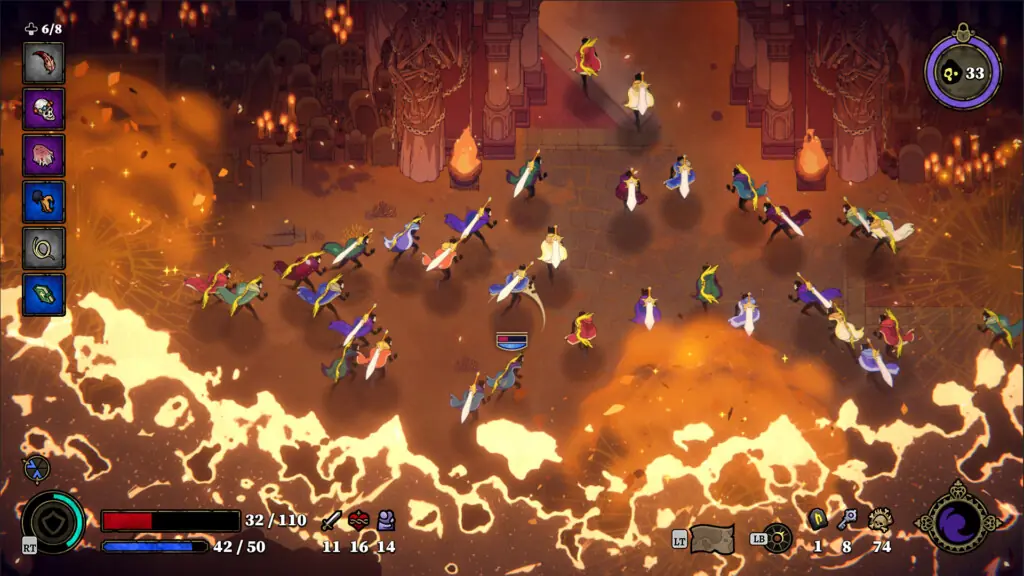
What is the best class in 33 Immortals?
Fighter is the best default class for most players because it combines direct pressure with readable melee timing and does not demand perfect ranged aim or a highly coordinated group. Specialist is the strongest alternative when you enjoy control, support, and adapting to what the raid lacks. Hunter can produce excellent safe damage, while Tank becomes extremely valuable when the group needs space, interruption, and reliable positioning.
The community-facing class labels group the current weapon roster by battlefield job: Fighter, Hunter, Tank, and Specialist. Individual weapons still have their own resources, attacks, upgrades, and mastery paths, so class choice is a starting point rather than a permanent character lock. The practical question is not which label has the largest number; it is which job you can execute while reading boss attacks, reviving allies, and staying on the objective.
Similarweb returned phrase-match demand for “33 immortals best class 2026” at an average volume of 49 with difficulty 2, and “33 immortals all classes” at average volume 45 with difficulty 10. Its question tab returned no usable questions for this seed. The FAQ below therefore uses real player decision points rather than inventing keyword metrics.
Pick Fighter if you are unsure, Hunter if you prefer deliberate ranged damage, Tank if you enjoy protecting space, and Specialist if you want control or support flexibility. Your best class is the one whose two weapons solve the problems that repeatedly end your runs.
All 33 Immortals classes and their roles
These class groupings are useful decision labels, not rigid MMO roles. Every player still dodges, deals damage, revives, and handles objectives. The table focuses on how each pair of weapons changes your preferred distance, risk, and raid contribution.
| Class | Associated weapons | Best for | Main tradeoff |
|---|---|---|---|
| Fighter | Sword of Justice; Hooks of Gluttony | Direct melee pressure, active players, flexible public raids | Must stay close enough to danger that poor timing is punished |
| Hunter | Crossbows of Pride; Daggers of Envy | Ranged focus, target priority, mobility and burst windows | Accuracy and positioning matter; tunnel vision delays revives |
| Tank | Glaive of Temperance; Hammer of Greed | Space control, deliberate hits, safer objectives and regrouping | Slow or committed actions lose value when used without enemy knowledge |
| Specialist | Staff of Sloth; Scepter of Lust | Control, utility, status pressure and adapting to the raid | Value can feel indirect and depends on using the weapon mechanic correctly |
33 Immortals class ranking by player goal
A permanent S-to-D tier list is misleading because patches, mastery, relics, powers, realm layouts, and player execution change the answer. A better ranking compares the class against a job. Fighter wins the general recommendation because it teaches the core combat loop without hiding behind range. Specialist wins for flexible team value. Hunter wins for players who can maintain damage while staying aware of the group. Tank wins when a raid needs discipline more than another greedy damage dealer.
Treat these recommendations as a selection screen, not a promise of best-in-slot damage. A practiced Tank or Specialist contributes more than an inexperienced Fighter who dies during every punish window. Test both weapons in a class before committing resources, because the class label can contain two very different rhythms.
Best overall
Fighter
The easiest recommendation for an undecided player. It keeps the game’s dodge, attack, revive, and positioning loop visible and offers both straightforward and parry-focused melee directions.
Best utility
Specialist
Choose this when you enjoy slowing pressure, shaping crowded rooms, and filling gaps. Its ceiling rises when you read the raid rather than chase personal damage.
Best ranged
Hunter
Strong for players who can aim, select priority targets, and preserve awareness. Ranged safety disappears if you drift away from revives or objectives.
Best control
Tank
Excellent for deliberate players who value safe space and heavy commitment. Learn enemy tells first so slow attacks become planned punishments instead of liabilities.

How to choose a class without wasting mastery
Use a short test process before spending deeply on one weapon. The purpose is to find the job you can repeat under pressure, not the weapon that looks strongest in a clean demonstration.
- Choose your preferred distance. Fighter and Tank normally accept closer danger, Hunter values separation and sightlines, and Specialist often plays around controlled zones or utility timing.
- Name the problem that ends your runs. If you die while attacking, choose clearer timing. If rooms collapse, choose control. If bosses survive punish windows, choose reliable burst. If allies stay down, choose a weapon you can operate without losing awareness.
- Test both weapons in the class. Two weapons under one class can demand different resources and habits. Do not judge Fighter only from Sword or Specialist only from Staff.
- Check current tooltips after updates. Use this guide for role selection, then verify exact damage, cooldown, mastery, and upgrade wording in the current build before copying a detailed setup.
- Commit only after repeated runs. A few successful rooms do not prove a class fits. Compare survival, revives, boss uptime, objective presence, and how often you can use the weapon’s defining mechanic.
Building a useful raid composition
Public matchmaking does not require a perfect party template, but a raid becomes easier when players cover different jobs. Too many damage-focused players can make crowded objectives unstable. Too much passive control can leave boss punish windows underused. The goal is not an exact class quota; it is enough damage, control, awareness, and revive access to keep momentum.
In a friend group, discuss jobs rather than demanding specific weapons. One player can handle priority targets, one can create space, one can bring reliable close pressure, and one can adapt through utility. In a public raid, watch what is missing after the first major fight. Switching your plan, relic priority, or positioning may matter more than switching class immediately.
A class also changes how you should read the arena. Hunters need safe sightlines that do not isolate them. Fighters need exits before committing. Tanks should protect movement lanes rather than stand still for appearance’s sake. Specialists should place control where it buys time for objectives, revives, or concentrated damage.
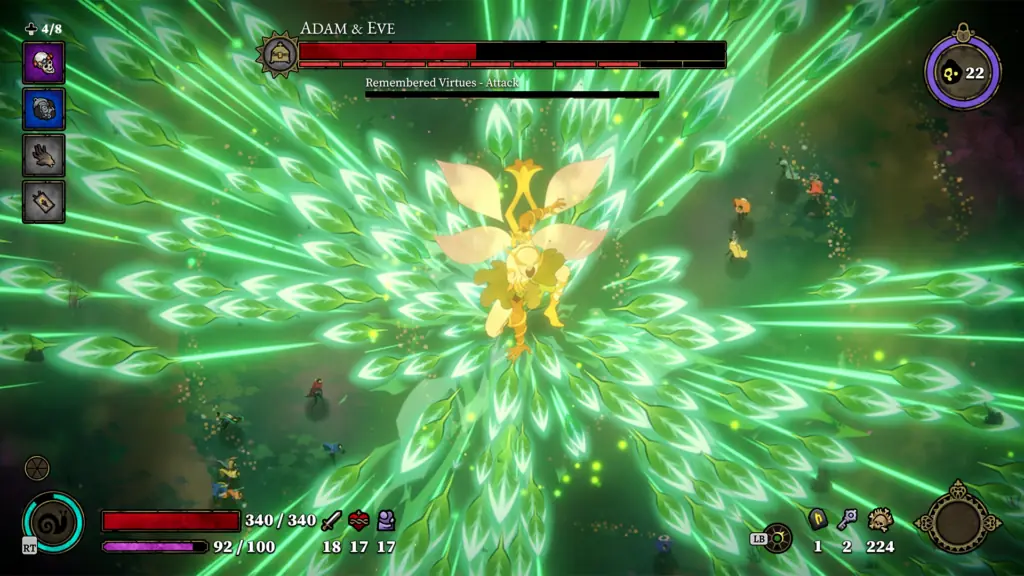
Class choice, weapon mastery, relics, and builds
Class choice narrows your job, but builds still happen at the weapon level. Mastery should strengthen actions you can perform consistently. Relics should reinforce the job you already execute, and run-specific powers should solve the current route rather than force a preset spreadsheet. This is why the weapons guide remains separate from this page: class intent answers who you want to be in the raid, while weapon and build pages explain how a specific kit works.
Avoid spending progression resources simply because a ranking calls a class top tier. First learn the default attack loop, defensive option, resource mechanic, and useful team moment. Then choose upgrades that improve uptime or remove a repeated failure. A modest upgrade used every room is often more valuable than a spectacular bonus that rarely triggers.
- Fighter: prioritize clean melee uptime, safe exits, and the weapon’s core counter or pressure loop.
- Hunter: prioritize accuracy, target selection, mobility, and staying close enough to support the raid.
- Tank: prioritize deliberate control, enemy knowledge, and actions that make objectives or revives safer.
- Specialist: prioritize reliable control or utility triggers instead of collecting unrelated effects.
- Retest after major updates; this page ranks roles, while exact numbers remain patch-sensitive.
Common class-selection mistakes
- Treating the best class as a permanent damage tier list instead of a role-and-execution decision.
- Choosing Hunter for safety, then standing too far away to revive or help with objectives.
- Choosing Tank for durability, then using slow attacks without reading enemy tells.
- Choosing Specialist for support, then ignoring where control would actually save time.
- Changing class every run before learning either weapon’s resource loop.
- Copying pre-1.0 advice without checking current in-game tooltips and official update notes.
33 Immortals classes FAQ
How many classes are in 33 Immortals?
Current community-facing guides group the eight weapons into four battlefield classes: Fighter, Hunter, Tank, and Specialist. Each class contains two weapons, but the weapons keep distinct mechanics, mastery, and build decisions.
What is the best class for beginners?
Fighter is the safest general recommendation because it teaches direct combat, dodging, positioning, and revive awareness. Tank can also suit patient beginners, but slow commitments require better enemy knowledge.
What is the best class for solo queue?
Fighter is the most dependable all-round solo-queue choice. Specialist is a strong alternative when you can identify what a random raid lacks and use control or utility to stabilize it.
Is Hunter the strongest damage class?
Hunter can deliver strong safe pressure when aim and target priority are good, but class strength is not only personal damage. Distance can become a weakness if it separates you from revives, objectives, or team effects.
Can you change class in 33 Immortals?
Class is best understood as the job implied by your weapon choice, not a permanent character identity. You can learn other weapons and roles; verify the current loadout and progression rules in the live game before spending resources.
Are classes the same as weapons?
No. A class groups weapons by broad battlefield role, while each weapon has its own attacks, resource loop, upgrades, mastery, and build choices. Use this page to choose a role and the weapons guide for specific kits.
Does the best class change after patches?
Yes, exact power can change when weapons, mastery, relics, powers, enemies, or progression are adjusted. The role guidance stays useful longer, but numerical tier claims should always be checked against current tooltips and official notes.
Sources and evidence boundary
- 33 Immortals v1.0 update notes — First-party source checked July 29, 2026 for the current release context, new weapons, progression, and Specialist terminology.
- Thunder Lotus 33 Immortals Press Kit — First-party source for the three gameplay images used on this page.
- Official Steam listing — First-party store context for eight weapons, powers, relics, mastery, and 33-player co-op.
- 33 Immortals Wiki weapon pages — Community-maintained cross-check for class-to-weapon grouping; not presented as an official Thunder Lotus taxonomy.