What are 33 Immortals Feats?
33 Immortals Feats are in-game goals that give a run a clearer objective than simply chasing damage. The official Epic Games guide describes Feats as tasks tracked in Inferno and checked with Beatrice in the Dark Woods. Completing them raises your Feat level, so the useful routine is to read the condition before a run, choose a route and weapon that can satisfy it, then protect the clear while the goal progresses.
The important milestones are progression rewards rather than a single best build. Epic's guide says that reaching Feat level 4 grants two extra Perk slots, while level 6 improves the chance of finding Rare or Epic Relics. Exact conditions, reward wording, and live values should still be checked in the current client because 33 Immortals can change with updates.
This page keeps Feats separate from Steam or Epic achievements, Ordeals, and the Constellation. Those systems can reinforce one another, but they answer different questions: Feats are run-facing goals, Ordeals add challenge pressure, the Constellation handles permanent upgrades, and platform achievements belong to the external trophy list.
Pick one realistic Feat that matches your weapon and route, check its condition before queueing, and treat Feat level 4 and 6 as useful milestones. Never sacrifice a revive or the main objective just to force a side goal.
How 33 Immortals Feats work
Start by treating the Feat screen as a planning tool, not as a checklist you must finish at any cost. Visit Beatrice in the Dark Woods, read the current objective, and ask whether it naturally fits the next run. A condition involving a weapon, a boss, a chest, or team play is easier to complete when your route already creates those opportunities.
Feat progress is most useful when it improves normal play. A player who stays with the raid, revives on time, clears the required encounter, and returns to the shared objective will usually make safer progress than someone who abandons the team to chase one extra interaction. Use the exact in-game text as the final authority for what counts.
1
Read the condition
Check the target, area, weapon, enemy, or team behavior required by the current Feat before the run starts.
2
Match the route
Choose a weapon and route that create the condition naturally instead of forcing a detour through unsafe rooms.
3
Protect the clear
Keep revives, shared objectives, and regrouping ahead of a Feat when the two goals conflict.
4
Use the milestone
As Feat level rises, review the extra Perk or Relic value and adjust the permanent progression path around a repeated weakness.
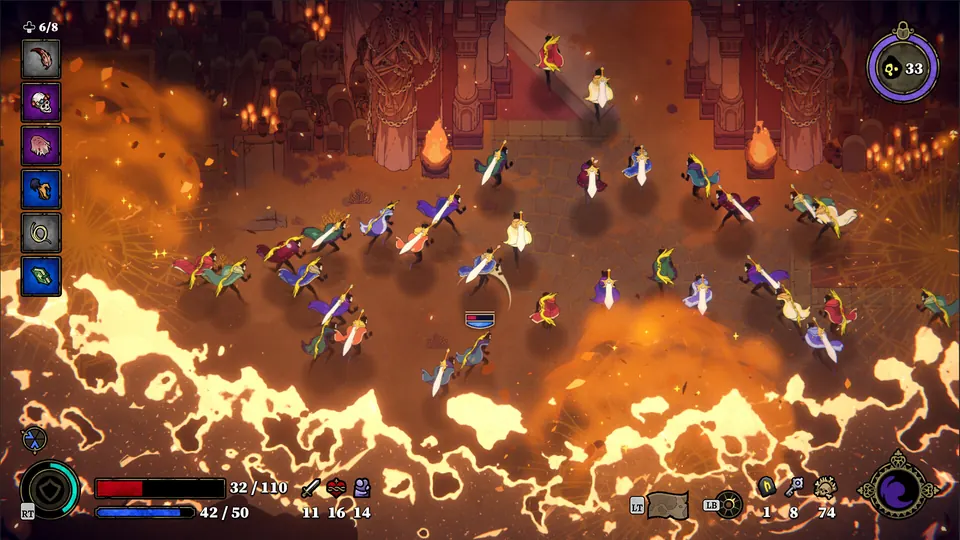
Feat level path: what to prioritize
Use this table as a decision framework, not as a permanent tier list. The level 4 and level 6 effects are the official milestone guidance; other conditions and reward details should be verified in the live game.
| Stage | Goal | Best action | Watch out for |
|---|---|---|---|
| First sessions | Find a reliable Feat | Choose a condition that matches the route, weapon, and party behavior you already understand. | Do not abandon a revive or objective for a low-value detour. |
| Feat levels 1–3 | Build a repeatable habit | Keep one primary goal and let normal combat, exploration, or team play create progress. | Changing the goal every run makes it hard to learn what actually works. |
| Feat level 4 | Add Perk flexibility | Use the two extra Perk slots described by the official guide to reinforce your raid role. | Do not assume a copied Perk order is best after a balance update. |
| Feat level 6 | Improve Relic quality chances | Use the higher Rare or Epic Relic chance to test a clear weapon and role plan. | Do not force a risky run just because a better reward is possible. |
How to complete Feats without throwing the run
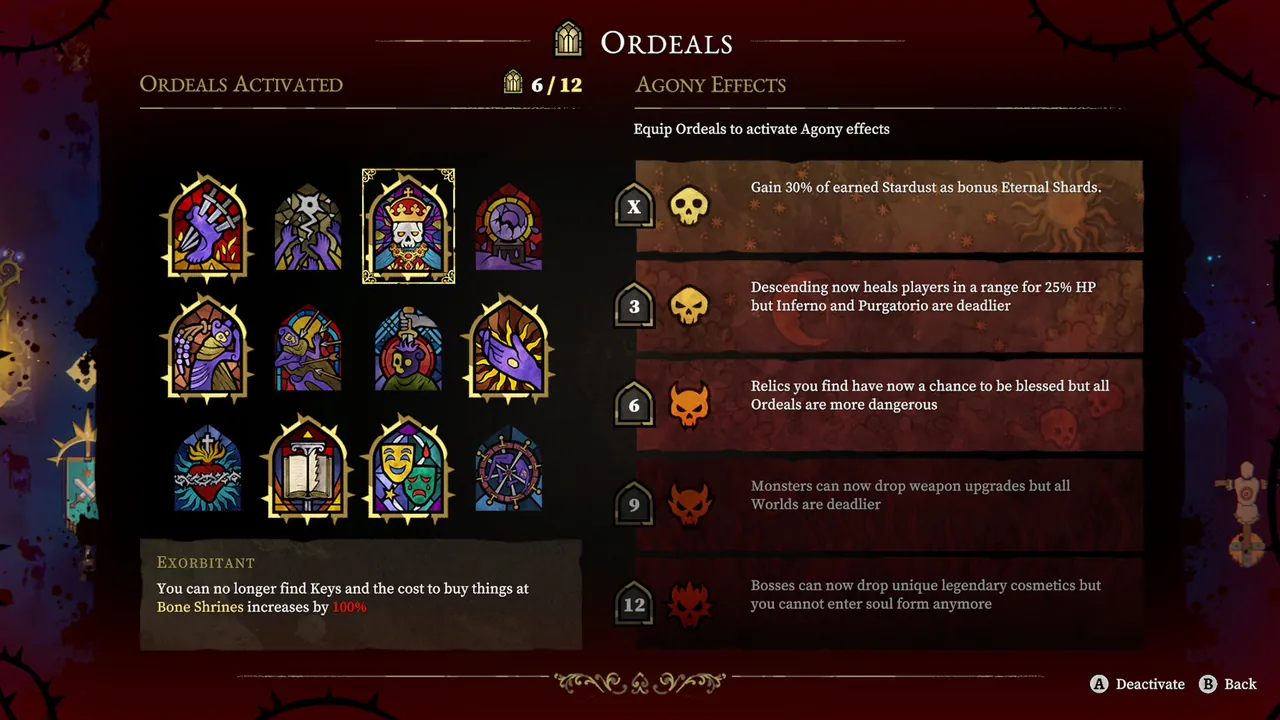
The best Feat route is usually a small adjustment to a good run, not a completely different build. If the goal asks for a weapon action, use that weapon only when you can still handle the screen. If it asks for a boss or elite, plan around the normal route and let the party know what you are tracking. If it asks for team behavior, keep the group informed so the objective does not look like a random detour.
After the run, review both the Feat and the failure point. A completed goal is useful, but it is not efficient if it cost repeated downs, a lost objective, or a wasted queue. The strongest long-term approach is to pick Feats that improve the skills your raid already needs: positioning, target priority, revives, safe exploration, and disciplined damage windows.
Choose by role
A support player can favor team or revive conditions, while a damage player can choose weapon or boss goals that fit normal punish windows.
Keep one primary goal
A second incidental objective is fine, but stacking several incompatible conditions turns the run into a fragile scavenger hunt.
Tell the party
Explain the detour in a ping or short message. Silent Feat farming is more likely to split the group and lose the clear.
Review the reward
Once a milestone unlocks, spend the benefit on the permanent or run-facing weakness that keeps ending your attempts.
Feats vs Ordeals, Constellation, and achievements
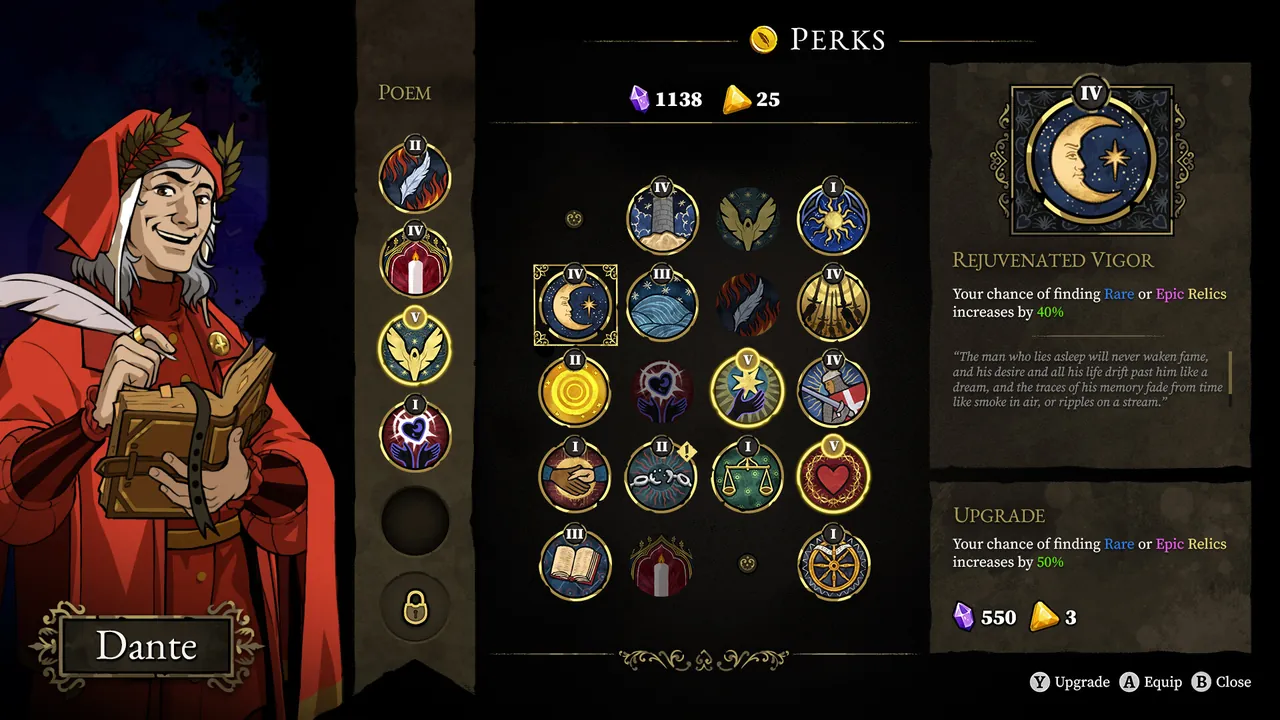
These terms appear together in searches because they all touch progression, but combining them creates a confusing guide. Use the boundary table to choose the right page and the right action.
| System | What it means | Where to act |
|---|---|---|
| Feats | Current in-game goals that can raise Feat level and shape a run's priorities. | Read the condition in the client, then complete it without abandoning the raid. |
| Major Feats | Harder or longer-term feat-style goals that connect challenge play with progression planning. | Use them as a focused target when the party and route can support the condition. |
| Ordeals | Optional challenge pressure or run conditions that make a raid harder. | Use the Ordeals guide to decide when to raise pressure and how to manage Agony. |
| Constellation | The permanent progression map where long-term upgrades are selected. | Use the Constellation guide to spend rewards on a coherent upgrade path. |
| Steam or Epic achievements | Platform-level trophy objectives that are separate from the in-game Feat system. | Use the official platform achievement list when you need trophy status or completion tracking. |
Common 33 Immortals Feats mistakes
Feats reward deliberate play, but the wrong priority can make a stable run worse. Avoid these patterns:
- Chasing a Feat condition without telling the party or checking whether the route supports it.
- Treating a Feat as more important than reviving a teammate, finishing the objective, or regrouping.
- Assuming a community list contains every current condition after an update.
- Confusing Feat level rewards with Steam or Epic achievement progress.
- Spending the reward on a copied build instead of fixing the weakness that ends your own runs.
- Forcing a Major Feat or higher-pressure Ordeal before the team can clear normal encounters consistently.
33 Immortals Feats FAQ
What are Feats in 33 Immortals?
Feats are in-game goals tracked through the current run and progression systems. The official Epic guide describes checking them with Beatrice in the Dark Woods and completing tasks to raise Feat level.
How do I raise my Feat level?
Read an available Feat condition, complete the required action in the current game client, and repeat useful goals across runs. Exact progress rules can change, so confirm the live wording rather than copying an old list.
What happens at Feat level 4?
Epic's official guide says level 4 grants two extra Perk slots. Use them to strengthen the role you actually play instead of assuming every build wants the same order.
What happens at Feat level 6?
Epic's guide says level 6 improves the chance of finding Rare or Epic Relics. Treat that as a reason to test a stable build, not as permission to throw away safe raid habits.
Are Feats the same as Steam achievements?
No. Feats are an in-game goal and progression system, while Steam or Epic achievements are platform trophy objectives. They may overlap in theme, but they should be tracked separately.
Should beginners chase Major Feats?
Beginners should learn weapon timing, positioning, revives, and normal objectives first. Add a Major Feat when the condition fits the route and the group can still protect the clear.
Is there a complete 33 Immortals all Feats list?
A static list can become stale when conditions or rewards change. Use this page for the decision framework, then verify the current Feat text in the game client before treating any list as complete.
Sources checked
- Official Epic Games guide — Used for the Feats flow, Beatrice location, Feat level 4 Perk slots, and level 6 Rare or Epic Relic chance guidance.
- Official Steam store page — Used for game context and official media identification.
- Steam achievements list — Used to keep platform achievements separate from the in-game Feat system.